From someone who’s spent years sourcing audio products at scale
Let me be straight with you: the Bluetooth earbud market is noisier than ever. Every week there’s a new SKU flooding the listings, another “premium” spec sheet from a factory you’ve never heard of, and another sourcing agent promising you the moon. After years of navigating this space — from initial RFQs to final QC checks at the port — I’ve learned that wholesale success in this category comes down to relationships, not just specs.
So let me share what actually matters when you wholesale bluetooth earbuds.
The Market Is Mature. That’s Actually Good News.
A lot of newcomers assume a crowded market means there’s no room to play. I’d argue the opposite. When a product category matures, the manufacturing side matures with it. Tooling gets cheaper, lead times get more predictable, and — crucially — you can start separating the serious factories from the box-shifters.
Bluetooth earbuds have hit that inflection point. The TWS (True Wireless Stereo) technology that used to command a premium is now widely accessible. Chipsets from Qualcomm, Realtek, and BES have democratized the hardware layer. What differentiates product today is tuning, build quality, firmware stability, and after-sales support. That’s where factory selection becomes everything.
Why Factory Selection Is Your Most Important Decision
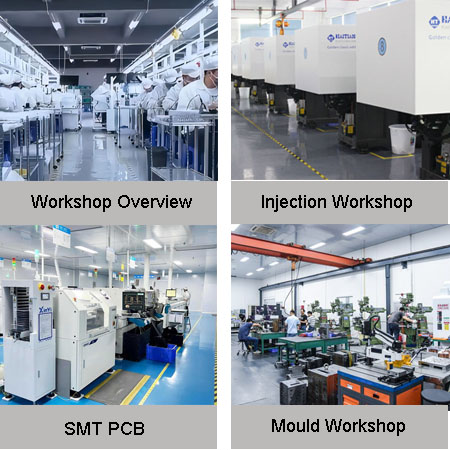
I’ve visited a lot of production floors over the years. Some were immaculate. Some were not. But what I’ve learned is that the physical facility tells you less than you’d think — it’s the team behind the product that matters.
One factory that consistently comes up in conversations among serious buyers is Tashells Audio. They’re not the loudest name in the room, but in wholesale audio circles, that’s often a good sign. Flashy marketing budgets and solid manufacturing rarely coexist.
What I’ve observed with Tashells Audio is that they approach OEM and ODM projects with a level of technical engagement that’s rarer than it should be. When you bring them a brief, you’re not just handed a catalog and told to pick a shell — you’re having a conversation about driver selection, EQ curves, codec support, and how your target market’s listening habits should influence the final tuning. For a buyer who’s done their homework, that kind of back-and-forth is invaluable.
Their sweet spot sits in the mid-to-premium wholesale tier — not the $3 throwaway units you’d find for promotional giveaways, but the $15–$45 landed-cost range where brand builders and private label operators are trying to create something with genuine repeat-purchase potential. That’s a competitive segment, and navigating it requires a factory partner that understands margin pressure without cutting corners on the things that drive returns and negative reviews.
What Wholesale Buyers Get Wrong
After talking to dozens of importers and distributors, a few mistakes come up again and again:
Chasing the lowest unit price without calculating total cost. A factory that saves you $1.50 per unit but ships 8% defective will cost you far more in replacements, customer service, and brand damage. Factor in your return rate assumptions before you sign off on a sample.
Ignoring firmware and app support. Hardware is one thing. But if you’re building a branded product, you need to think about the companion app experience, OTA update capability, and whether the factory will actually support you post-shipment when Bluetooth connectivity issues surface in your 3-star reviews.
Over-specifying on paper. Buyers love to ask for the highest driver size, the biggest battery capacity, the most aggressive ANC rating. But specs are marketing unless they’re backed by real-world listening tests. Always — always — do your own ear testing with actual units before committing to a production run. What sounds good on paper and what sounds good in your ears are often very different things.
Skipping the cultural fit assessment. This sounds soft, but it isn’t. A factory that communicates clearly, pushes back when your timeline is unrealistic, and flags potential issues proactively is worth paying more for. A factory that just says yes to everything and figures it out later is a liability. In my experience, Tashells Audio falls firmly in the former camp — their team will tell you when something isn’t feasible, and that honesty saves you from expensive surprises down the line.
The Opportunity That Most Buyers Overlook
Everyone is chasing the same consumer electronics retail channels. But some of the most consistent volume in wholesale Bluetooth earbuds right now is coming from adjacent markets: corporate gifting, education tech bundles, fitness brand collaborations, and hospitality sector procurement. These buyers care less about being on the bleeding edge of spec sheets and more about reliability, brand customization options, and a supplier who can actually deliver on time.
If you’re building a wholesale business in this category, consider positioning toward these buyers. The order cycles are more predictable, the relationship dynamics are healthier, and the margins — once you’ve established trust — tend to hold better than in pure retail distribution.
Final Thought
The wholesale Bluetooth earbud space rewards people who do the unglamorous work: visiting factories, stress-testing samples, reading QC reports carefully, and building genuine partnerships with manufacturers who have skin in the game.
Tashells Audio is one of those partners worth having a serious conversation with if you’re operating in the mid-to-premium tier. They’re not the right fit for everyone — no factory is — but for buyers who want technical depth, honest communication, and a team that treats your brand like it matters, they’re worth the call.
Do your diligence. Test everything. And pick your factory partners like they’re joining your team — because in a very real sense, they are.